
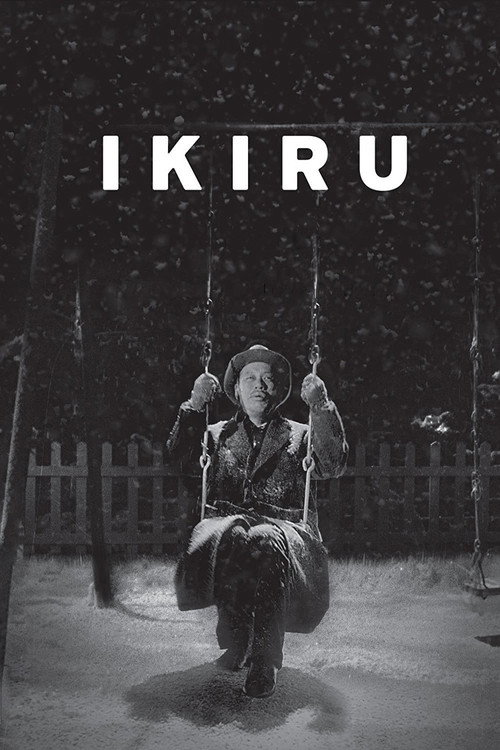
Watch the Official Trailer for Ikiru

Storyline
Kanji Watanabe is a middle-aged man who has worked in the same monotonous bureaucratic position for decades. Learning he has cancer, he starts to look for the meaning of his life.
Ikiru (1952) is a Drama film directed by Akira Kurosawa. Starring Takashi Shimura, Haruo Tanaka, Nobuo Kaneko, Bokuzen Hidari. Produced by TOHO, the film runs 143 minutes. Made on a reported budget of $85,000, it went on to gross $55,240 at the worldwide box office. Fans searching for movies about dying and death, japan, bureaucracy, age difference, praise will find plenty to like here. Watch the trailer above, then read the full synopsis, cast list, and audience score below.
Top Cast
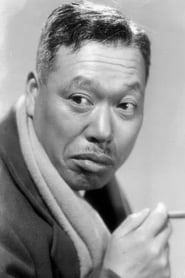






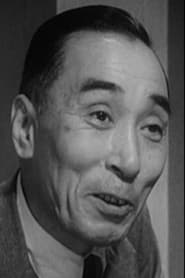
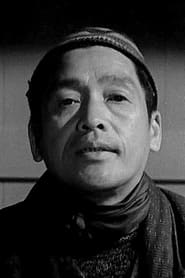
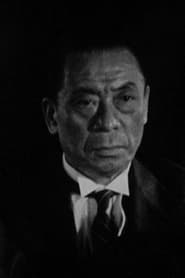


Did You Know?
- Ikiru did not recoup its reported production budget from box office receipts alone.
- Ikiru features a large ensemble, with 12 billed cast members on the call sheet.
- TMDB tags Ikiru with the themes: dying and death, japan, bureaucracy, age difference, praise, office.
There are films you watch once and forget, and then there’s Ikiru — a 1952 drama from director Akira Kurosawa that has kept audiences talking long after the credits roll. You can tell a lot about a movie from its tagline, and “A big story of a little man which will grip your soul…” gives away the game in the best way.
The setup is straightforward enough on paper: Kanji Watanabe is a middle-aged man who has worked in the same monotonous bureaucratic position for decades. Learning he has cancer, he starts to look for the meaning of his life. Takashi Shimura takes the lead role and runs with it, while Haruo Tanaka, Nobuo Kaneko, Bokuzen Hidari make sure the margins of the story stay just as alive.
The reason people keep recommending Ikiru usually has less to do with the plot and more to do with what it’s actually about. Ideas around age difference, bureaucracy, and dying and death surface again and again, and they’re handled with more care than you’d expect from a film wearing drama clothing. You can also feel japan and night life working in the background, quietly shaping how later scenes land even when they’re not the explicit focus.
Part of what makes Ikiru work is how comfortably it sits at the intersection of drama. Rather than picking one lane and staying in it, the film borrows tonal shifts from each label attached to it, which is exactly why it resists easy summary in a single sentence.
Watching Ikiru, it’s clear Akira Kurosawa had a specific vision for how each scene should feel, and that clarity carries the film through its slower stretches. Look further down the cast list and you’ll find Nobuo Kaneko, Bokuzen Hidari, Miki Odagiri, each handed at least one scene that earns its place in the finished film.
Clocking in at 143 minutes, the pacing rarely sags, which is no small feat for a film juggling this many ideas. TOHO produced the film, and the polish shows in every frame. Produced for roughly $85,000, Ikiru eventually pulled in $55,240 at the global box office, well beyond what anyone expected going in.
This is a solid pick for anyone who wants their drama with a little more substance than usual — put it on for a night when you actually want to pay attention. Whatever else changes about how audiences watch movies, Ikiru seems built to keep finding new viewers. It’s a detail easy to miss on a first viewing of Ikiru, but it rewards anyone paying close attention. That kind of craftsmanship is easy to take for granted until you watch a lesser film try the same thing and fail. Little touches like that are why the film keeps finding new defenders long after its initial release. It’s the sort of small decision that separates a good drama film from a merely competent one. None of it feels accidental — Ikiru is the product of choices made with real intention, and it plays that way from start to finish. That’s ultimately the difference between a film people watch once and one they keep coming back to, and Ikiru lands closer to the latter.
This website uses TMDB and the TMDB APIs but is not endorsed, certified, or otherwise approved by TMDB.