
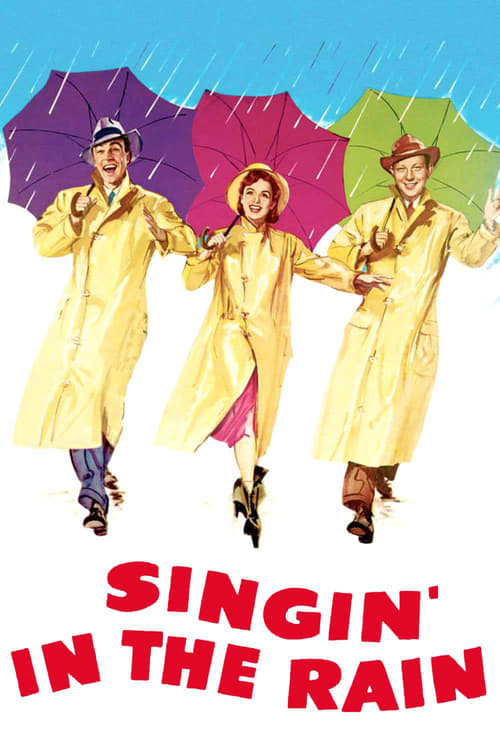
Watch the Official Trailer for Singin’ in the Rain
Videos
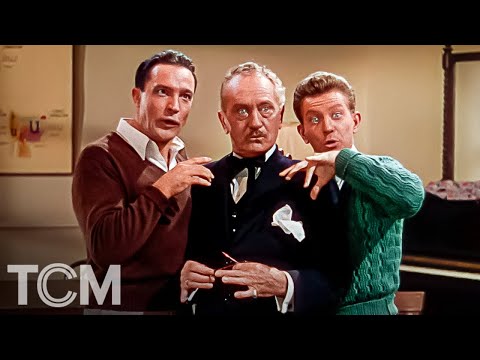
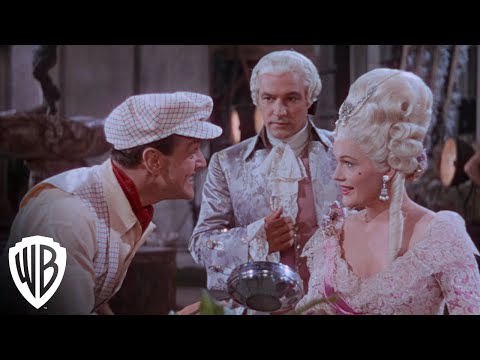
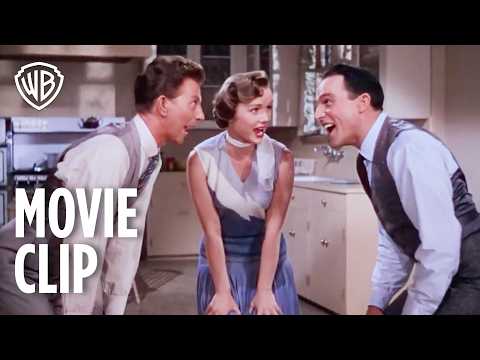
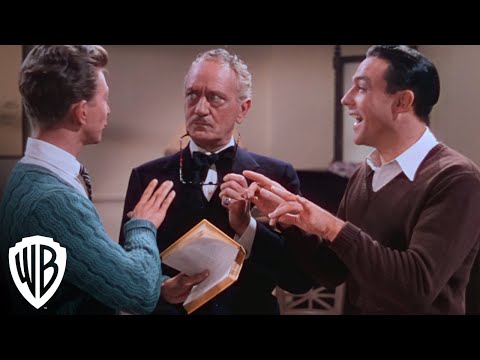
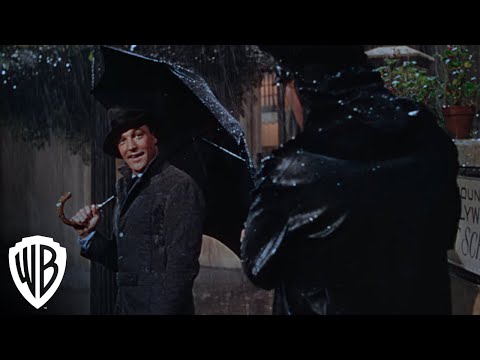
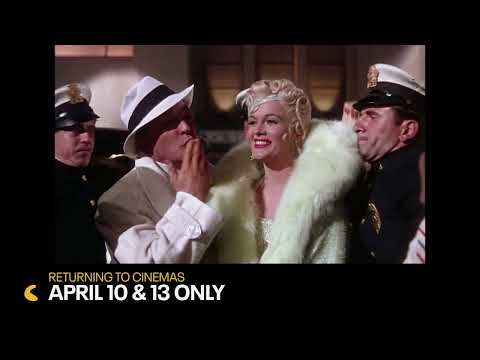
Storyline
In 1927 Hollywood, a silent film star falls for a chorus girl just as he and his paranoid screen partner struggle to make the difficult transition to talking pictures.
Singin’ in the Rain (1952) is a Comedy/Romance film directed by Stanley Donen. Starring Gene Kelly, Donald O'Connor, Debbie Reynolds, Jean Hagen. Produced by Metro-Goldwyn-Mayer, the film runs 103 minutes. Made on a reported budget of $2,540,800, it went on to gross $7,200,000 at the worldwide box office. Fans searching for movies about fan, musical, partner, film in film, hollywood will find plenty to like here. Watch the trailer above, then read the full synopsis, cast list, and audience score below.
Top Cast








Did You Know?
- Singin’ in the Rain earned back roughly 2.8 times its production budget at the worldwide box office.
- Singin’ in the Rain features a large ensemble, with 12 billed cast members on the call sheet.
- TMDB tags Singin’ in the Rain with the themes: fan, musical, partner, film in film, hollywood, broadway.
If you have been putting off “Singin’ in the Rain” since 1952, this is your sign to finally move it to the top of the queue. It is easy to see why it keeps getting recommended long after its initial release.
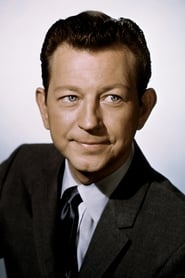
Everything the film wants you to feel is right there in its tagline: “What a Glorious Feeling!.” Gene Kelly as Don Lockwood, Donald O’Connor as Cosmo Brown, Debbie Reynolds as Kathy Selden headline the cast, and their dynamic is what the film keeps circling back to whenever the plot needs an emotional anchor. It wears its comedy and romance label proudly, and that clarity of purpose is part of what makes the setup work as well as it does.
Genre fans will clock the influences quickly, but the film is confident enough in its own identity that homage never tips into imitation.
Sound design and score work quietly in the background here, doing the kind of unglamorous work that only gets noticed when it is missing.
Thematically, the film keeps returning to audience, broadway, chorus girl, dancing in the street, diction coach — recurring ideas that TMDB’s own tagging picks up on and that show up in how the story is structured scene to scene.
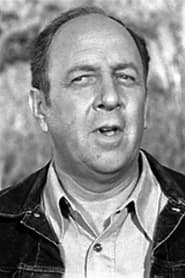
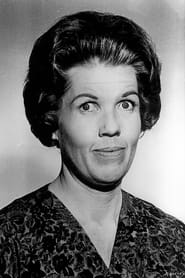
The supporting side of the cast — Jean Hagen, Millard Mitchell, Cyd Charisse — fills out the world without crowding the main story, the kind of bench depth that makes a rewatch reveal new details.
It also works well as a solo watch late at night, when a story that commits fully to one tone is often more satisfying than something trying to be several things at once.
Stanley Donen clearly has a specific visual language in mind, and it is consistent from the first scene to the last, at 103 minutes, it is paced to respect your time rather than pad itself out, while Gene Kelly and Donald O’Connor and Debbie Reynolds bring enough conviction to make the smaller scenes land just as hard as the big ones, it is clear Metro-Goldwyn-Mayer put real resources behind getting the details right.
On the numbers side, it was made on a reported budget of $2,540,800 and went on to gross $7,200,000 worldwide — a track record that speaks to how well it connected with audiences beyond just critics.
A film like this rarely needs a sequel or a shared universe to justify its existence; it tells a complete story and trusts that to be enough.
Coming out in 1952, it did not need a massive marketing campaign to find its audience, and that slow-burn word-of-mouth path is often a better predictor of staying power than an opening-weekend spike ever is.
If there is a takeaway here, it is that “Singin’ in the Rain” knows exactly what audience it is for and does not apologize for it. That is rarer than it should be, and it is reason enough to give it a chance. That is a rarer quality than it sounds, and it is worth seeking out for that reason alone.
This website uses TMDB and the TMDB APIs but is not endorsed, certified, or otherwise approved by TMDB.