
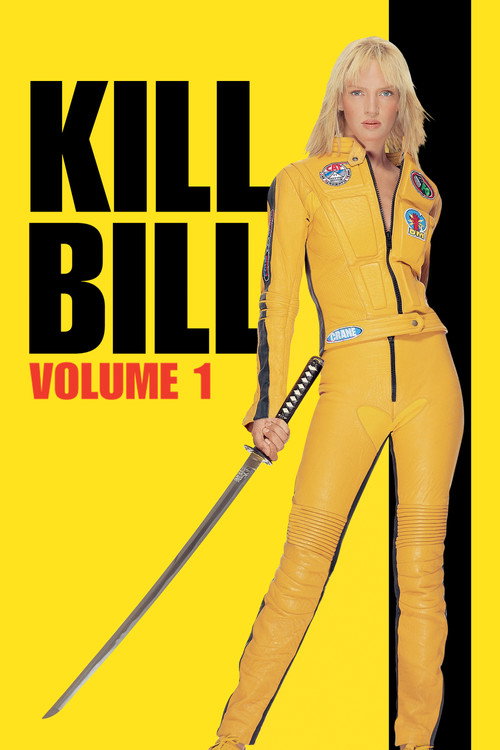
Watch the Official Trailer for Kill Bill: Vol. 1
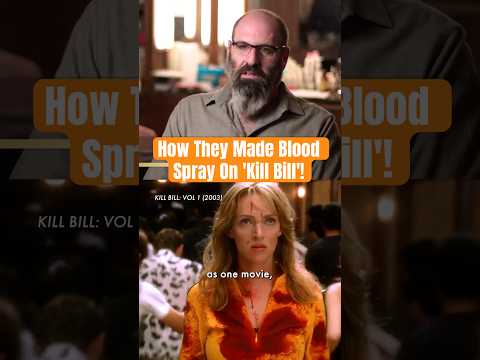
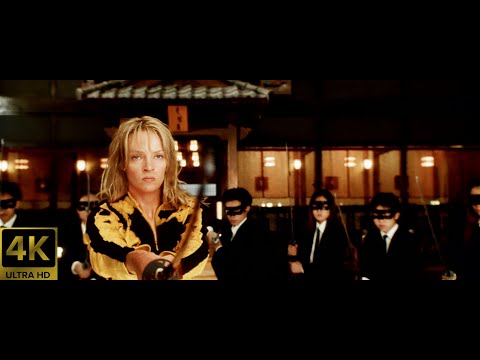
Storyline
An assassin is shot by her ruthless employer, Bill, and other members of their assassination circle – but she lives to plot her vengeance.
Kill Bill: Vol. 1 (2003) is a Action/Crime film directed by Quentin Tarantino. Starring Uma Thurman, Lucy Liu, Vivica A. Fox, Daryl Hannah. Produced by Miramax, A Band Apart, Super Cool ManChu, the film runs 111 minutes. Made on a reported budget of $30,000,000, it went on to gross $180,906,076 at the worldwide box office. Fans searching for movies about martial arts, japan, kung fu, sword, yakuza will find plenty to like here. Watch the trailer above, then read the full synopsis, cast list, and audience score below.
Top Cast









Did You Know?
- Kill Bill: Vol. 1 earned back roughly 6 times its production budget at the worldwide box office.
- Kill Bill: Vol. 1 features a large ensemble, with 12 billed cast members on the call sheet.
- Kill Bill: Vol. 1 was a co-production between multiple studios: Miramax, A Band Apart, Super Cool ManChu.
- TMDB tags Kill Bill: Vol. 1 with the themes: martial arts, japan, kung fu, sword, yakuza, katana.
When Quentin Tarantino sat down to make “Kill Bill: Vol. 1”, the goal was clearly to deliver something that sticks with an audience long after the credits roll. That reputation, as it turns out, is well earned.
“Here comes the bride.” That is the tagline, and it does a surprisingly honest job of setting the tone before a single frame plays. Much of the momentum comes from Uma Thurman as The Bride, Lucy Liu as O-Ren Ishii, Vivica A. Fox as Vernita Green, whose scenes together set the stakes without over-explaining them. It wears its action and crime label proudly, and that clarity of purpose is part of what makes the setup work as well as it does.
What separates it from a lot of other action and crime titles is restraint — it does not rush to show its hand, letting small character beats do work that louder films would hand off to spectacle.
Sound design and score work quietly in the background here, doing the kind of unglamorous work that only gets noticed when it is missing.
The connective tissue running through the film is built from female yakuza, japan, katana, kung fu, martial arts, and once you notice the pattern it is hard to unsee in almost every sequence.
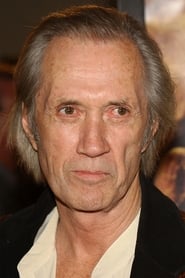
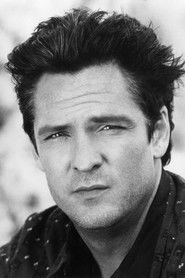
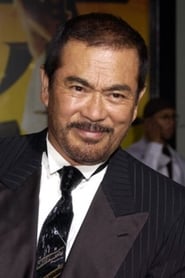
Further down the call sheet, Daryl Hannah, David Carradine, Michael Madsen round things out, and the film is generous enough with screen time that none of them feel like an afterthought.
It also works well as a solo watch late at night, when a story that commits fully to one tone is often more satisfying than something trying to be several things at once.
Quentin Tarantino clearly has a specific visual language in mind, and it is consistent from the first scene to the last, at 111 minutes, it is paced to respect your time rather than pad itself out, and Uma Thurman in particular carries scenes that could easily have felt like filler in less capable hands, the production values, backed by Miramax, hold up scene after scene.
On the numbers side, it was made on a reported budget of $30,000,000 and went on to gross $180,906,076 worldwide — a track record that speaks to how well it connected with audiences beyond just critics.
Whether it holds up on a second viewing is really the test for a film like this, and here it does — knowing where the story is headed only makes it easier to notice the groundwork being laid early on.
Coming out in 2003, it did not need a massive marketing campaign to find its audience, and that slow-burn word-of-mouth path is often a better predictor of staying power than an opening-weekend spike ever is.
For viewers deciding whether to press play, the short version is: this delivers on what it promises, does not overstay its 111 minutes, and rewards anyone willing to meet it halfway. It is not flashy about earning that recommendation, and it does not need to be.
This website uses TMDB and the TMDB APIs but is not endorsed, certified, or otherwise approved by TMDB.