
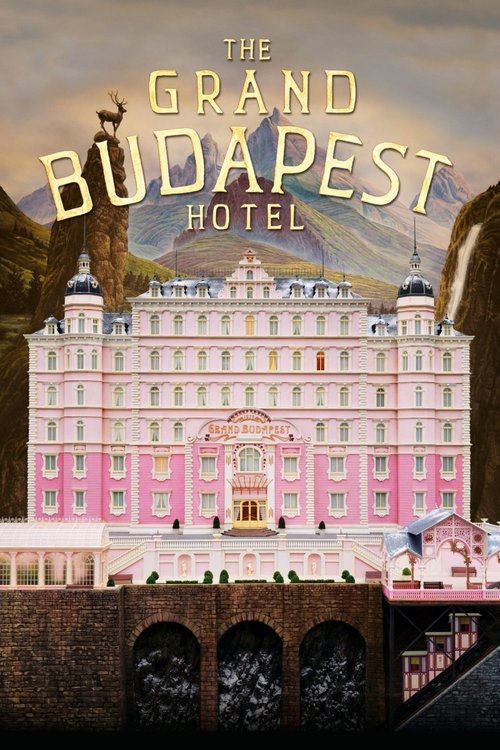
Watch the Official Trailer for The Grand Budapest Hotel
Videos
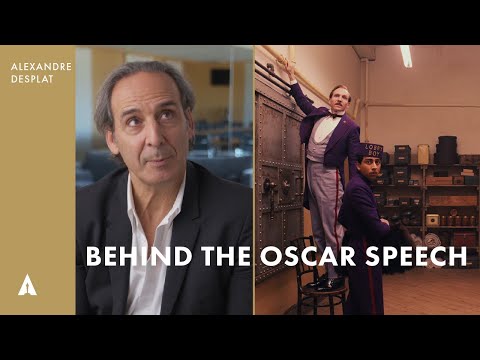 Alexandre Desplat | Best Original Score for 'The Grand Budapest Hotel' | Behind the Oscars SpeechFeaturette
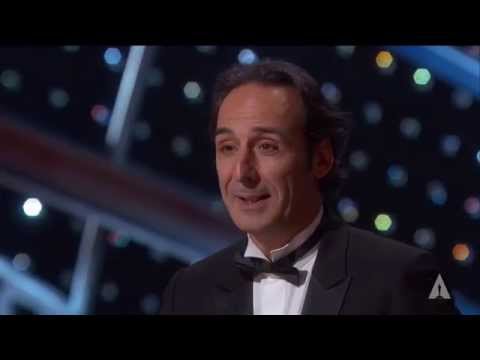 Alexandre Desplat winning Best Original Score for "The Grand Budapest Hotel"Featurette
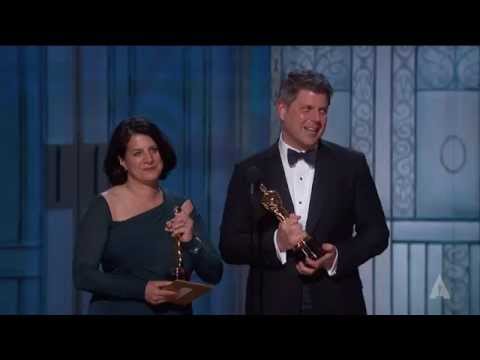 "The Grand Budapest Hotel" wins Production DesignFeaturette
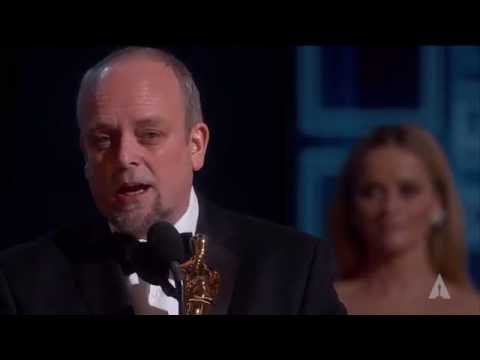 "The Grand Budapest Hotel" wins Makeup and HairstylingFeaturette
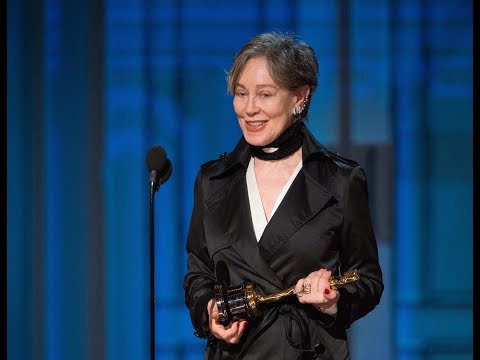 The Grand Budapest Hotel Wins Costume Design: 2015 OscarsFeaturette
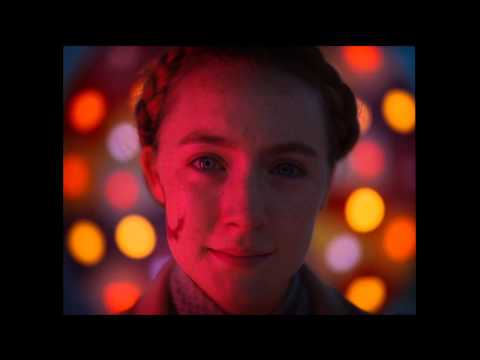 Classic HollywoodFeaturette
Storyline
The Grand Budapest Hotel tells of a legendary concierge at a famous European hotel between the wars and his friendship with a young employee who becomes his trusted protégé. The story involves the theft and recovery of a priceless Renaissance painting, the battle for an enormous family fortune and the slow and then sudden upheavals that transformed Europe during the first half of the 20th century.
The Grand Budapest Hotel (2014) is a Comedy/Drama film directed by Wes Anderson. Starring Ralph Fiennes, F. Murray Abraham, Tony Revolori, Adrien Brody. Produced by Fox Searchlight Pictures, Studio Babelsberg, Indian Paintbrush, TSG Entertainment, the film runs 100 minutes. Made on a reported budget of $30,000,000, it went on to gross $174,600,318 at the worldwide box office. Fans searching for movies about hotel, painting, wartime, eastern europe, author will find plenty to like here. Watch the trailer above, then read the full synopsis, cast list, and audience score below.
Top Cast









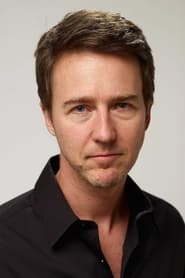

Did You Know?
- The Grand Budapest Hotel earned back roughly 5.8 times its production budget at the worldwide box office.
- The Grand Budapest Hotel features a large ensemble, with 12 billed cast members on the call sheet.
- The Grand Budapest Hotel was a co-production between multiple studios: Fox Searchlight Pictures, Studio Babelsberg, Indian Paintbrush, TSG Entertainment.
- TMDB tags The Grand Budapest Hotel with the themes: hotel, painting, wartime, eastern europe, author, gunfight.
Few things separate a forgettable night of scrolling from a night you actually remember, and “The Grand Budapest Hotel” (2014) lands firmly in the second camp for a specific kind of viewer. That reputation, as it turns out, is well earned.
“A murder case of Madam D. with enormous wealth and the most outrageous events surrounding her sudden death!.” That is the tagline, and it does a surprisingly honest job of setting the tone before a single frame plays. At the center of it are Ralph Fiennes as M. Gustave, F. Murray Abraham as Mr. Moustafa, Tony Revolori as Zero, whose choices carry most of the emotional weight from the opening stretch onward. Fans of comedy and drama stories will recognize the shape of things early, but the execution is confident enough to keep it from feeling like a retread.
It helps to think of it less as a checklist of comedy and drama tropes and more as a mood the filmmakers commit to fully; once you buy into that mood in the first ten minutes, the rest of the runtime pays it off.
Sound design and score work quietly in the background here, doing the kind of unglamorous work that only gets noticed when it is missing.
The connective tissue running through the film is built from author, bellhop, eastern europe, gunfight, hotel, and once you notice the pattern it is hard to unsee in almost every sequence.
Further down the call sheet, Adrien Brody, Willem Dafoe, Mathieu Amalric round things out, and the film is generous enough with screen time that none of them feel like an afterthought.
It also works well as a solo watch late at night, when a story that commits fully to one tone is often more satisfying than something trying to be several things at once.
Wes Anderson trusts the material enough to let scenes breathe rather than cutting away too early, running 100 minutes, it moves briskly enough that the time genuinely flies, and Ralph Fiennes in particular carries scenes that could easily have felt like filler in less capable hands, the production values, backed by Fox Searchlight Pictures, hold up scene after scene.
Made for roughly $30,000,000, it eventually brought in $174,600,318 at the global box office, the kind of return that turns a film into a genre reference point rather than a one-and-done watch.
It is the kind of film people tend to return to specifically because it does not overexplain itself the first time through — there is more to catch once you already know the shape of the story.
Coming out in 2014, it did not need a massive marketing campaign to find its audience, and that slow-burn word-of-mouth path is often a better predictor of staying power than an opening-weekend spike ever is.
Who should watch it: anyone who wants a well-executed comedy and drama story without a lot of filler around it. Go in without over-researching the plot and let it do its job. Either way, it is a film that rewards patience rather than punishing it.
This website uses TMDB and the TMDB APIs but is not endorsed, certified, or otherwise approved by TMDB.