
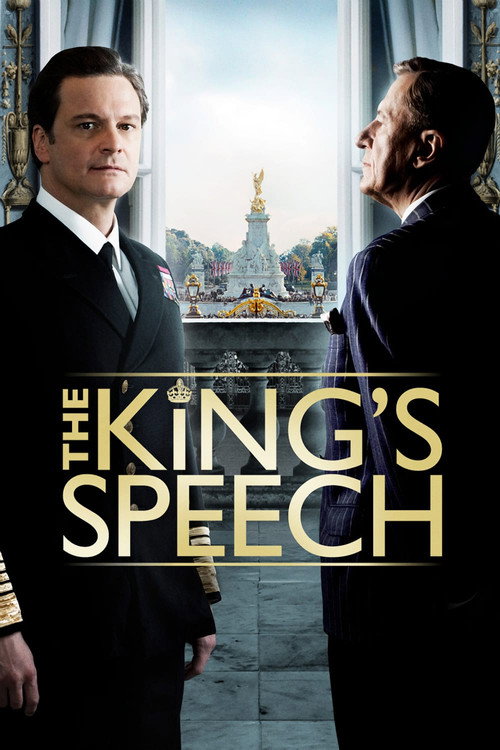
Watch the Official Trailer for The King’s Speech
Storyline
The King's Speech tells the story of the man who became King George VI, the father of Queen Elizabeth II. After his brother abdicates, George ('Bertie') reluctantly assumes the throne. Plagued by a dreaded stutter and considered unfit to be king, Bertie engages the help of an unorthodox speech therapist named Lionel Logue. Through a set of unexpected techniques, and as a result of an unlikely friendship, Bertie is able to find his voice and boldly lead the country into war.
The King’s Speech (2010) is a Drama/History film directed by Tom Hooper. Starring Colin Firth, Geoffrey Rush, Helena Bonham Carter, Guy Pearce. Produced by The Weinstein Company, UK Film Council, Momentum Pictures, Aegis Film Fund, the film runs 118 minutes. Made on a reported budget of $15,000,000, it went on to gross $414,211,549 at the worldwide box office. Fans searching for movies about great britain, world war ii, marriage, stutter, monarchy will find plenty to like here. Watch the trailer above, then read the full synopsis, cast list, and audience score below.
Top Cast
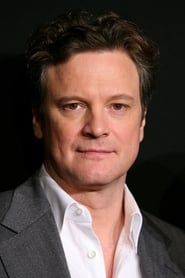
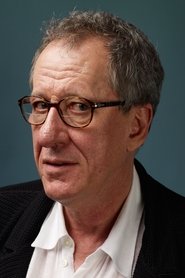



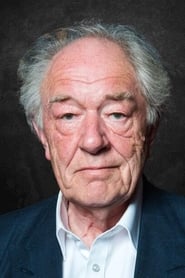




Did You Know?
- The King’s Speech earned back roughly 27.6 times its production budget at the worldwide box office.
- The King’s Speech features a large ensemble, with 12 billed cast members on the call sheet.
- The King’s Speech was a co-production between multiple studios: The Weinstein Company, UK Film Council, Momentum Pictures, Aegis Film Fund.
- TMDB tags The King’s Speech with the themes: great britain, world war ii, marriage, stutter, monarchy, palace.
Not every drama movie needs to reinvent the wheel, but The King’s Speech manages to feel fresh anyway, thanks largely to Tom Hooper’s confident direction. “Find your voice.” That’s the line the studio chose to sell the film, and it doesn’t oversell it by much.
At its core, the plot goes like this: The King’s Speech tells the story of the man who became King George VI, the father of Queen Elizabeth II. After his brother abdicates, George (‘Bertie’) reluctantly assumes the throne. Plagued by a dreaded stutter and considered unfit to be king, Bertie engages the help of an unorthodox speech therapist named Lionel Logue. Through a set of unexpected techniques, and as a result of an unlikely friendship, Bertie is able to find his voice and boldly lead the country into war. Carrying it all is a cast led by Colin Firth, with Geoffrey Rush, Helena Bonham Carter, Guy Pearce rounding out an ensemble that never feels wasted.
The reason people keep recommending The King’s Speech usually has less to do with the plot and more to do with what it’s actually about. There’s a clear preoccupation with biography here, and it’s paired with great britain in a way that gives the whole thing more staying power than a plot summary suggests. You can also feel monarchy and palace working in the background, quietly shaping how later scenes land even when they’re not the explicit focus.
On paper, drama and history covers the basics of what The King’s Speech is doing. In practice, the film spends just as much time subverting those expectations as fulfilling them, which is a big part of why it’s held up.
Tom Hooper’s handling of tone throughout The King’s Speech deserves particular credit — it would be easy for a film juggling this many ideas to feel scattered, but the direction keeps everything pointed in the same direction. The rest of the ensemble matters too — Helena Bonham Carter, Guy Pearce, Timothy Spall all get moments that push the story forward rather than just filling out the frame, which is more than you can say for a lot of films with casts this size.
At 118 minutes, it never overstays its welcome, moving with a confidence that a lot of longer films could learn from. Behind the scenes, The Weinstein Company, UK Film Council, Momentum Pictures, Aegis Film Fund backed the production, giving Tom Hooper the resources to fully realize the vision. The economics alone are worth mentioning: a $15,000,000 budget turned into $414,211,549 in worldwide grosses.
Fans of Tom Hooper’s other work will recognize the fingerprints immediately, but The King’s Speech stands fine on its own even without that context. Love it or merely admire it, The King’s Speech is hard to walk away from without an opinion — which, for a drama film, is exactly the point. It’s a detail easy to miss on a first viewing of The King’s Speech, but it rewards anyone paying close attention. That kind of craftsmanship is easy to take for granted until you watch a lesser film try the same thing and fail. Little touches like that are why the film keeps finding new defenders long after its initial release. It’s the sort of small decision that separates a good drama film from a merely competent one.
This website uses TMDB and the TMDB APIs but is not endorsed, certified, or otherwise approved by TMDB.